
At some point, wine became a transaction rather than a pleasure. You reached for a bottle not because you were curious about what was inside it, but because you needed something to hold at the end of a long day. The result was predictable: the same wine, the same glass, the same vague satisfaction that was really more relief than enjoyment.
If that resonates, you’re far from alone. And the way back to genuinely loving wine isn’t complicated. It starts with intention: choosing a bottle because you want to experience it, not just consume it, and giving yourself permission to slow down enough to notice the difference.
Table of Contents
Understanding What You’re Looking for Before You Buy
The most useful thing you can do before choosing a wine is spend thirty seconds thinking about what you actually want from the experience. Are you looking for something refreshing and light? Something complex and layered? Something celebratory? Something grounding?
Wine is not one-size-fits-all, and the habit of grabbing whatever is familiar keeps most people from discovering what they actually love.
For the Mom Who Loves a Crisp, Refreshing White
If your instinct is always toward something cold, clean, and citrus-forward, sauvignon blanc is the grape that will reward you most consistently. The 2023 Honig Sauvignon Blanc from Napa Valley is the perfect entry into this style: bright grapefruit and citrus with beautiful grassy freshness, sophisticated enough to hold your attention but easy enough to pour without ceremony.
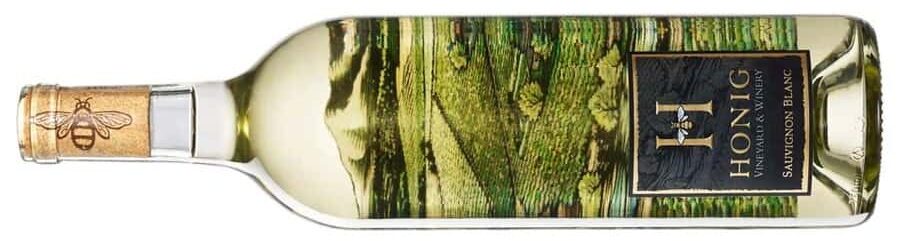
Photo Credit: InternetWines
When you’re ready to explore a more textured expression of the same grape, the 2022 Simon Family Estate Golden Ore Sauvignon Blanc from Rutherford offers something altogether more complex. Vibrant and electric on the palate, with a silk texture that sets it apart from most whites in this style.
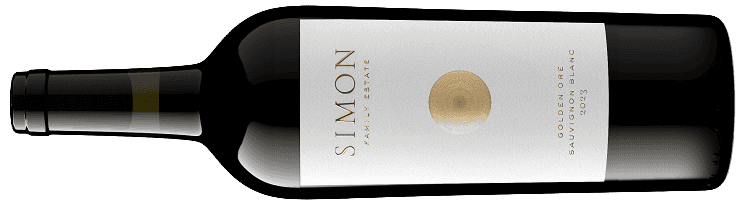
Photo Credit: Simon Family Estate
For the Mom Returning to Red Wine
The solution is to start with a red that doesn’t demand anything from you, one that is elegant and approachable rather than dense and tannic. The 2023 Frog’s Leap Jeremiah Cabernet Sauvignon is a beautifully crafted organic Napa cabernet that eases you back in gracefully. Estate-grown, dry-farmed, and pure in its expression of fruit, it’s a red wine that offers subtle depth rather than overwhelming intensity.
Photo Credit: Bottle Values
Once you’ve found your footing, the 2021 Gemstone Facets Cabernet Sauvignon Napa Valley offers a step into something more layered. Boysenberry, black currant, a lovely floral quality, and mineral depth all converge in a bottle that is simultaneously accessible and impressive.
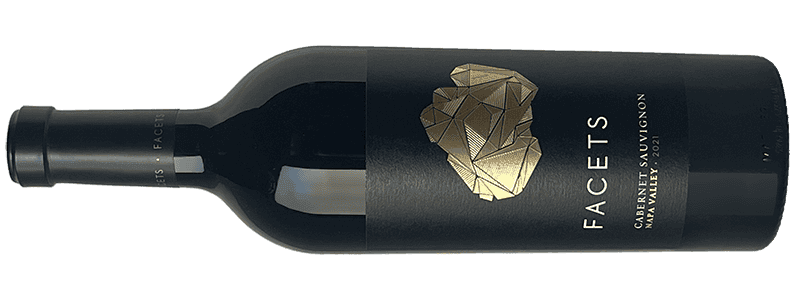
Photo Credit: Wine Country Connection
For the Mom Who Has Always Loved Red and Wants More
The 2023 Teeter-Totter Cabernet Sauvignon Napa Valley is a limited bottling from a celebrated 100-point winemaker who clearly knows how to balance power with pleasure. Blackberry, cassis, dark plum, mocha, and a long cocoa-dusted finish make this a bottle that is both serious and joyful.
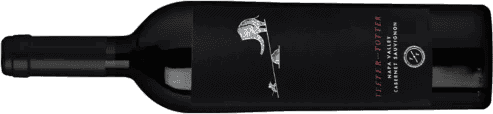
Photo Credit: Garys Wine
The 2022 Barnett Merlot Spring Mountain challenges every preconception about merlot with its concentration, silky structure, and beautiful mineral underpinning.

Photo Credit: Wine Express
The 2021 Eleven Eleven XI Cabernet Sauvignon Oak Knoll District brings density and polish in equal measure: dark fruit, plum, wild berries, and beautifully integrated oak.
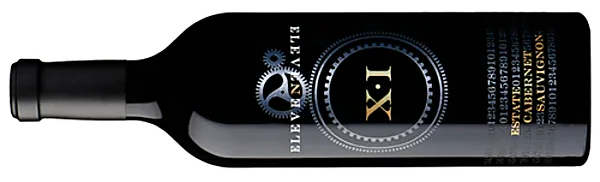
Photo Credit: Wine Enthusiast
For the Collector Mindset: The Wines Worth Seeking
The 2022 Gallica Cabernet Sauvignon Oakville Ranch is a single-vineyard wine with layers of red cherry, herb, pepper, and floral notes from grapes grown at elevation. It’s a remarkable and refined expression of what Napa Valley can produce.
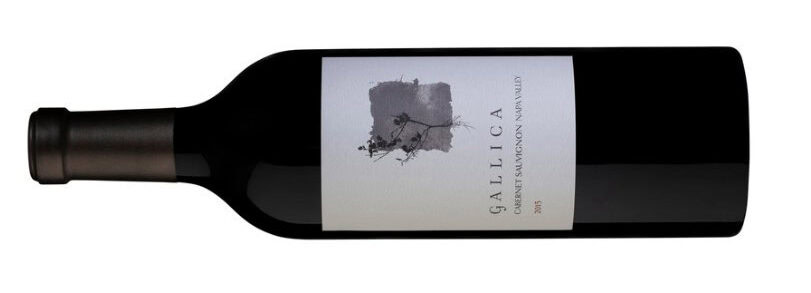
Photo Credit: Gallica Wine
The 2015 Go Figure Lot 95 Cabernet Sauvignon represents something genuinely rare: an aged, fully developed Napa cab right now in the optimal window of enjoyment, showing black cherry, creme de cassis, leather, violet, and espresso with beautifully integrated tannins.
Photo Credit: Garys Wine
The Mindset That Changes Everything
Rediscovering wine isn’t about knowledge. It’s about attention. The difference between enjoying wine and simply drinking it is the few minutes you give yourself to notice what’s in the glass. Pour something you haven’t tried before. Sit with it. Let it tell you something. That’s the whole practice.