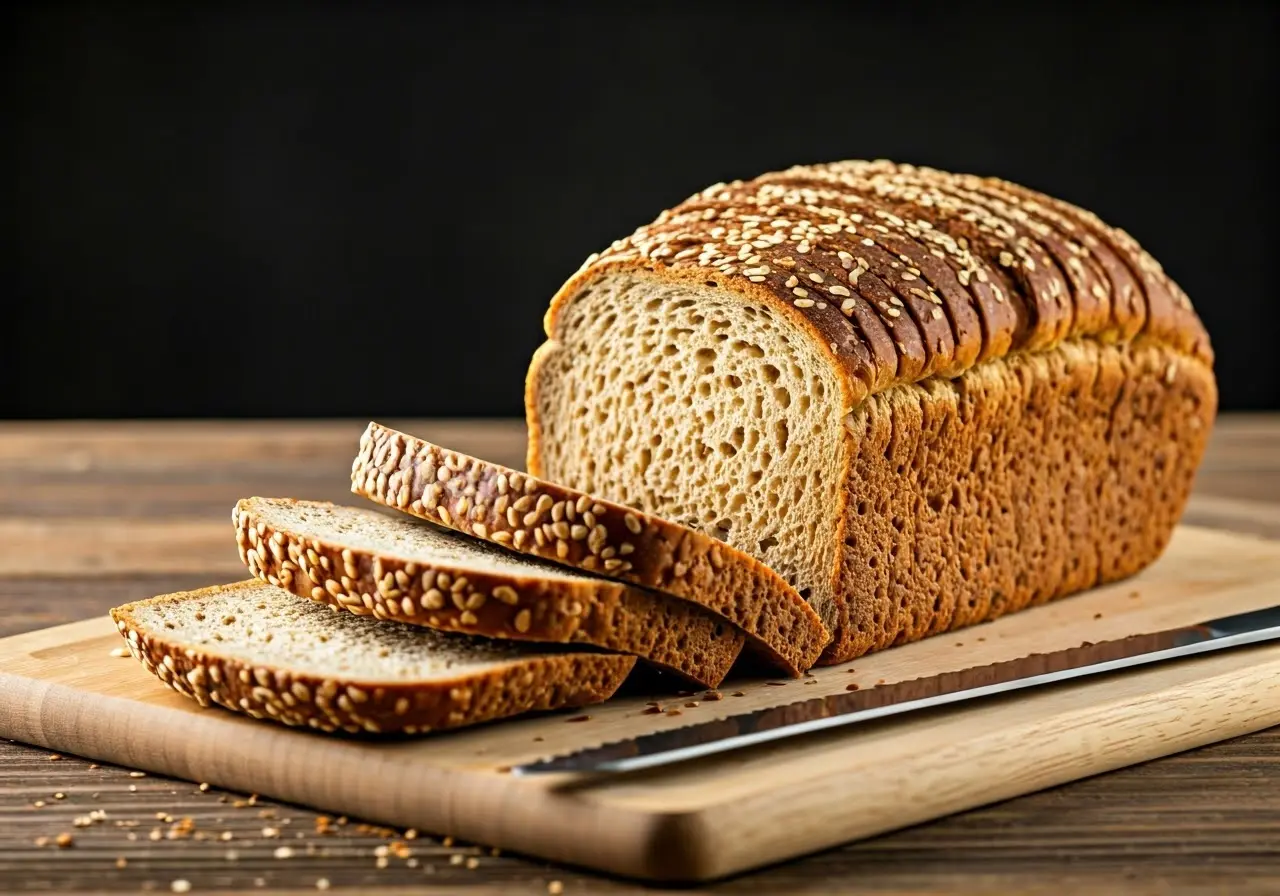
Low carb bread has become a popular choice for those looking to enjoy a healthier lifestyle without sacrificing their favorite sandwiches or toast. However, like any food trend, it’s surrounded by myths and misconceptions. Join me as we dive into these common myths and set the record straight!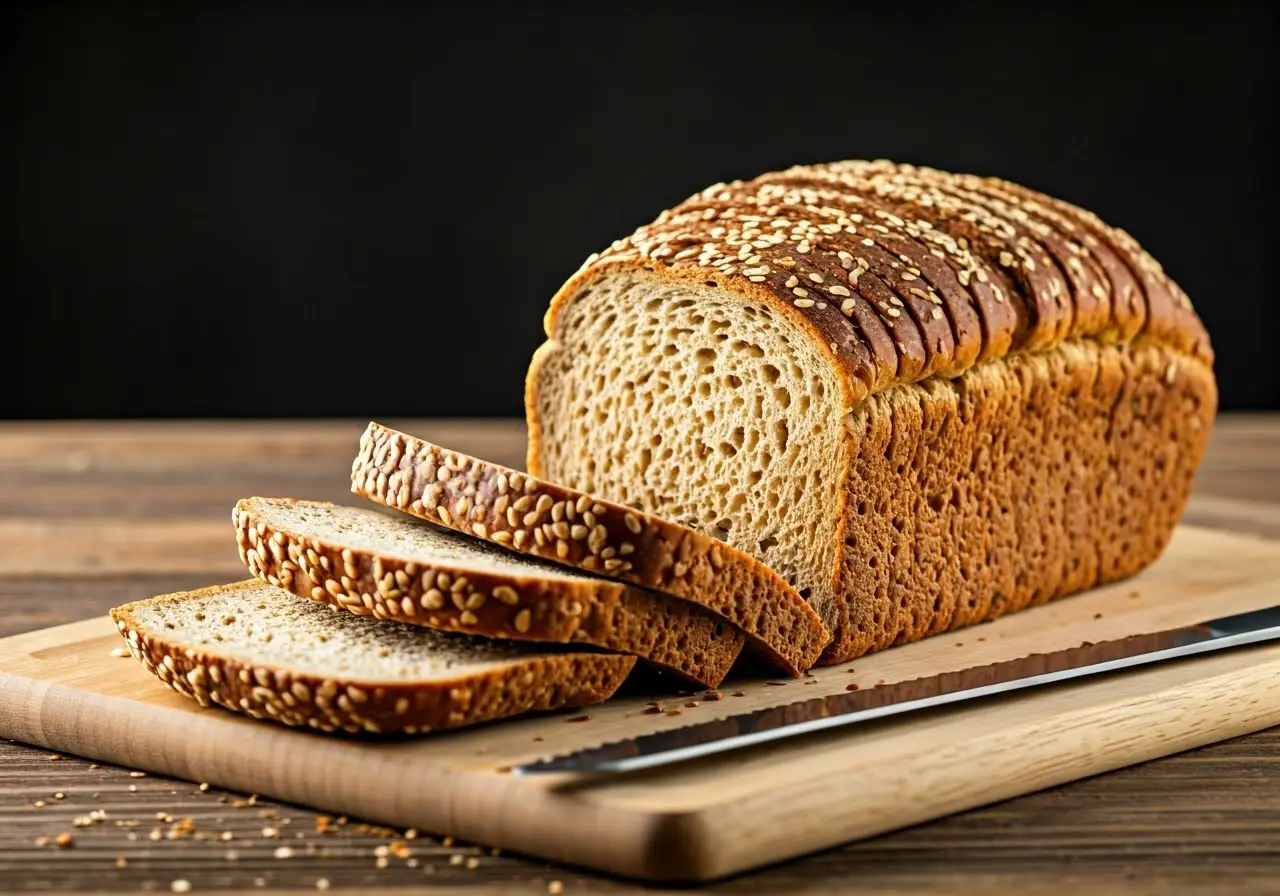
Table of Contents
1. Low Carb Bread Tastes Awful
Though it’s a common belief that low carb bread lacks flavor, advancements in recipes have resulted in delicious options that rival traditional bread in taste. Many brands have perfected their formulas by combining high-fiber ingredients like flaxseed and almond flour with innovative baking techniques. This not only enhances flavor but also provides a satisfying texture.
Moreover, low carb bread can be easily personalized with herbs and spices, or even grilled and topped with favorite ingredients to create a delightful meal. It’s worthwhile giving it a try before forming an opinion, as today’s low carb bread might just surprise you with its taste appeal.
2. It’s Impossible to Find at Regular Stores
While specialty health stores are known for their niche products, many mainstream grocery stores now stock a variety of low carb breads, making them accessible to everyone. This increased availability is a testament to the growing demand for low carb bread as more individuals seek healthier alternatives that satisfy their dietary needs.
Interestingly, some local bakeries have also started baking their versions of low carb bread, often incorporating fresh, organic ingredients that provide a homemade touch. It’s easier than ever to find a suitable product nearby without needing to travel far.
3. Low Carb Bread Is Too Expensive
Although some options can be pricier, the increasing demand has led to more competitive pricing, with affordable selections available for budget-conscious consumers. As the market matures, economies of scale have reduced production costs, enabling manufacturers to offer quality low carb bread at lower prices.
Comparison shopping can also uncover deals, as numerous brands compete to attract consumers. Look for seasonal discounts and promotions, especially in online stores, to enjoy cost savings while maintaining a healthy diet.
4. It’s Not Really Bread
Contrary to this myth, low carb bread is, indeed, bread. It’s made with a blend of alternative flours and ingredients that taste and function like traditional wheat bread. Many companies opt for ingredients like psyllium husk, coconut flour, and whey protein to achieve the same texture and rise.
These innovative ingredients contribute to a bread-like experience, from the satisfying crunch of a toasted slice to the delightful softness of a freshly baked loaf. For those transitioning from regular bread, low carb options provide an excellent dietary swap without the sacrifice.
5. You Can Only Eat It On A Low Carb Diet
Low carb bread isn’t reserved exclusively for low-carb dieters; it can be enjoyed by anyone looking for a more balanced approach to their carbohydrate intake. With its high fiber content, low carb bread offers benefits like improved digestion and sustained energy release, making it a great choice for diverse diets.
In addition, many fitness enthusiasts and health-conscious individuals incorporate low carb bread into their meals to enjoy nutritious sandwiches and snacks without the accompanying blood sugar spikes associated with high-carb alternatives.
6. It Lacks Nutrients
With enriched ingredients like seeds, nuts, and proteins, many low carb breads offer a nutritious profile, busting the myth that they lack essential nutrients. These ingredients provide essential fatty acids, vitamins, and minerals, making low carb bread a health-positive addition to any meal plan.
Moreover, some breads are fortified with additional protein or fiber, providing a well-rounded nutritional boost. This could be particularly beneficial for those managing specific health conditions or for athletes requiring additional nutritional support.
7. It’s Always Full of Artificial Ingredients
The market has seen a rise in more natural low carb bread options featuring clean labels and wholesome, minimally processed ingredients. Many small bakeries prioritize quality by using non-GMO and organic ingredients to produce bread that’s both delicious and nutritious.
Furthermore, transparency in labeling has become a consumer demand, prompting producers to focus on offering products free from unnecessary additives while maintaining taste and quality. As such, these clean eating options debunk the notion that low carb bread is always laden with artificial ingredients.
8. It Causes Digestion Issues
While some may experience digestive adjustments, most people enjoy low carb bread without issues, similar to any dietary change. The change in dietary fiber intake can occasionally lead to temporary bloating or discomfort, but this often subsides as the body adjusts.
Selecting low carb bread with soluble and insoluble fibers can promote a healthy digestive tract, supporting overall gut health. Such choices require being mindful of one’s tolerance and making gradual dietary transitions.
9. Low Carb Bread Can’t Be Used for Baking
Innovative recipes and products have paved the way for low carb bread to be used in a variety of baked goods just like traditional bread. Bakers have adapted classic recipes with low carb-friendly ingredients, allowing for delicious options such as muffins and pizza crusts.
Experimentation in the kitchen could result in new favorites, from satisfying tea-time treats to savory snacks. This versatility ensures that low carb bread remains a staple ingredient, regardless of the dish it’s integrated into.
10. You Can’t Toast It
Contrary to this belief, low carb bread toasts beautifully, and is perfect for everything from morning breakfast to sandwich melts. The texture of certain low carb breads even offers a crunchy, satisfying toast that pairs perfectly with classic toppings like avocado and poached eggs.
Additionally, some brands specifically design their loaves to withstand toasting and grilling, ensuring a consistent experience no matter the preparation method. Embrace the versatility of low carb bread to craft flavorful toasts and open-faced sandwiches.
11. It’s All the Same Everywhere
Not all low carb bread is created equal. Different brands and recipes offer a range of textures and flavors, so there’s plenty of variety to explore. From lightly sweetened loaves to those with a pronounced nutty character, the options are as diverse as their traditional counterparts.
Sampling various products may be the key to finding your favorite. Consumers are encouraged to explore the market and try different offerings because the right loaf can enhance your meals and complements your dietary lifestyle seamlessly.
12. It’s Just a Fad
Low carb bread is here to stay, proving to be more than a passing trend with its continued popularity among individuals seeking a balanced diet. As more studies highlight the benefits of reduced carb intake, this bread variant is preparing to play a consistent supporting role in healthy eating.
Engaging with health enthusiasts and culinary experts showcases how low carb bread meets modern dietary needs. Its adaptability, nutritional content, and mainstream acceptance position it as a staple for the foreseeable future.