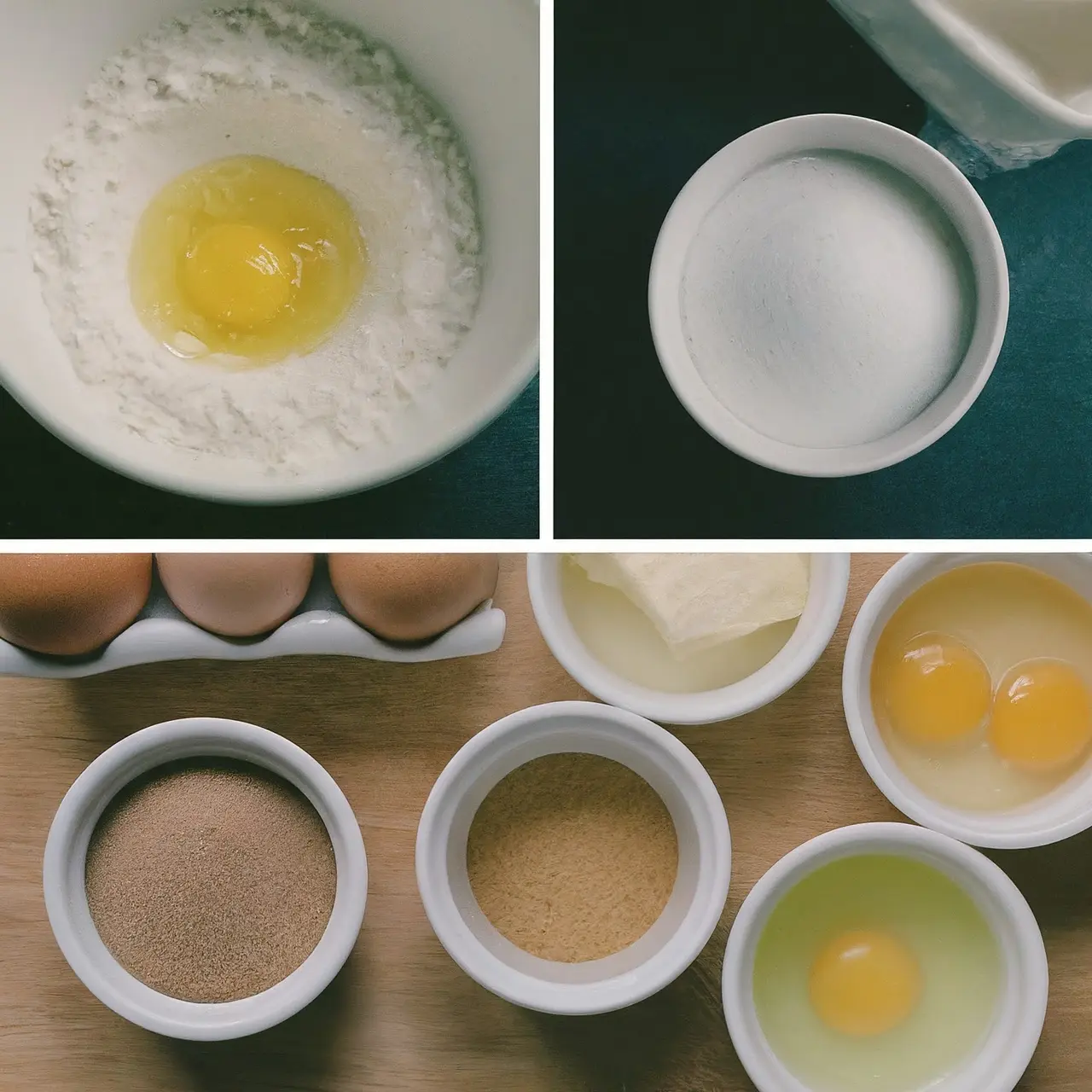
Diving into the world of keto baking opens up a delectable way to enjoy your favorite treats without the carb count. Whether you’re a seasoned baker or just starting, knowing the right ingredients to keep on hand can transform your kitchen into a paradise for low-carb delicacies. From flours that defy traditional baking to sweeteners that keep your blood sugar in check, get ready to explore the must-haves for your keto-friendly pantry.

Table of Contents
The Foundation of Keto Baking: Low-Carb Flours
Navigating the world of keto baking starts with finding the perfect low-carb flour substitute. Almond flour and coconut flour are two of the most popular choices, offering a delightful texture and flavor to your baked goods. While almond flour is rich and buttery, making it ideal for cookies and crusts, coconut flour is highly absorbent and a little goes a long way, perfect for cakes and muffins. Both flours require a bit of adjustment in baking ratios, but soon, they’ll become staples in your pantry.
Beyond almond and coconut flour, diversifying with other low-carb flours like flaxseed meal or psyllium husk can introduce new textures and nutritional profiles to your baking. Each of these flours has unique properties; flaxseed meal adds a nutty flavor and a boost of omega-3 fatty acids, while psyllium husk is excellent for achieving a bread-like texture. Experimenting with these flours can lead to discovering your new favorite keto-friendly baked good.
For those looking to truly mimic traditional flour’s versatility, look into blends specifically formulated for keto baking. These pre-mixed flours often combine several types of low-carb flours to achieve a balanced taste and texture, making them ideal for those intricate recipes that call for a closer resemblance to wheat flour. While experimenting with your blend can be fun, these premade mixes can save time and take the guesswork out of converting non-keto recipes.
Sweetening the Deal: Keto-Friendly Sweeteners
A crucial element of keto baking is finding the right sweetener that won’t spike your blood sugar. Erythritol, a sugar alcohol, is one of the go-to choices for imparting sweetness without the carbs. It measures cup for cup like sugar, making it easy to swap in recipes, although some might notice a cooling aftertaste.
For those seeking a more natural taste, stevia and monk fruit extracts offer potent sweetness derived from plants. They’re much sweeter than sugar, so a little goes a long way. Many bakeries now carry blends of these sweeteners with erythritol or allulose, which can help mitigate any aftertaste and better mimic sugar’s texture in baked goods.
Fats and Oils: Keeping It Rich and Moist
The right fats and oils not only add moisture and richness to keto baked goods but also help to carry flavors and contribute to a tender crumb. Butter is a staple in keto baking, imparting a rich taste and helping with structure in cakes and cookies. Some prefer to clarify their butter into ghee, removing the milk solids, which can impart a slightly nutty flavor.
Leavening Agents: Making Your Bakes Rise
Leavening agents play a critical role in baking by introducing air into dough and batter, making for fluffy cakes, bread, and pastries. Baking powder and baking soda are must-haves in the keto pantry, with some brands offering aluminum-free options for those concerned about additives. When using these, remember that keto flours react differently than traditional wheat flour, so adjustments in quantity may be necessary.
Dairy and Dairy-Alternatives for Keto Bakers
Dairy products like cheese, cream, and sour cream can add depth and texture to your keto baking, providing a moistness that’s often missing in low-carb flours. For those avoiding dairy, coconut cream, almond milk, and cashew milk make excellent substitutes, though they may alter the flavor profile slightly. It’s essential to opt for the unsweetened versions to avoid added sugars.
Another great dairy alternative is nut-based cream cheese. These products offer a similar texture and fat content as traditional cream cheese, making them ideal for frostings and cheesecake recipes. With a variety of options available, it’s easy to maintain the creamy quality of your bakes without straying from keto guidelines.
Nuts and Seeds: Texture and Flavor Boosters
Incorporating nuts and seeds into your keto baking not only adds a nutritional punch but also introduces exciting textures and flavors. Ground almonds, pecans, and walnuts can add a crunch to cookies and breads, while seeds like chia or flax can be used to create a gel-like substance that helps bind ingredients together in lieu of gluten.
Essential Extracts and Flavorings
Extracts and flavorings are the secret weapons in your keto baking arsenal, packing a big flavor punch without adding carbs. Vanilla and almond extracts are classics for a reason, but don’t be afraid to experiment with more unconventional ones like orange, lemon, or peppermint to elevate your desserts.
Binders: Keeping Your Keto Bakes Together
Since gluten is a no-go in keto baking, alternatives like xanthan gum or guar gum are necessary to provide elasticity and stickiness in doughs and batters. A little goes a long way with these binders; too much can lead to a gummy texture, so it’s important to measure carefully.
The Art of Keto Baking
Embracing keto baking is more than just a dietary choice; it’s a creative journey that blends tradition with innovation. Each ingredient in your pantry holds the potential to craft something both nourishing and indulgent. With these keto essentials, you’re not only prepared to bake to your heart’s content but also equipped to enjoy the pleasure of sweets, all while staying true to your keto goals. Happy baking!